

Blog
Top 10 Factors That Impact Property Value in Urban India

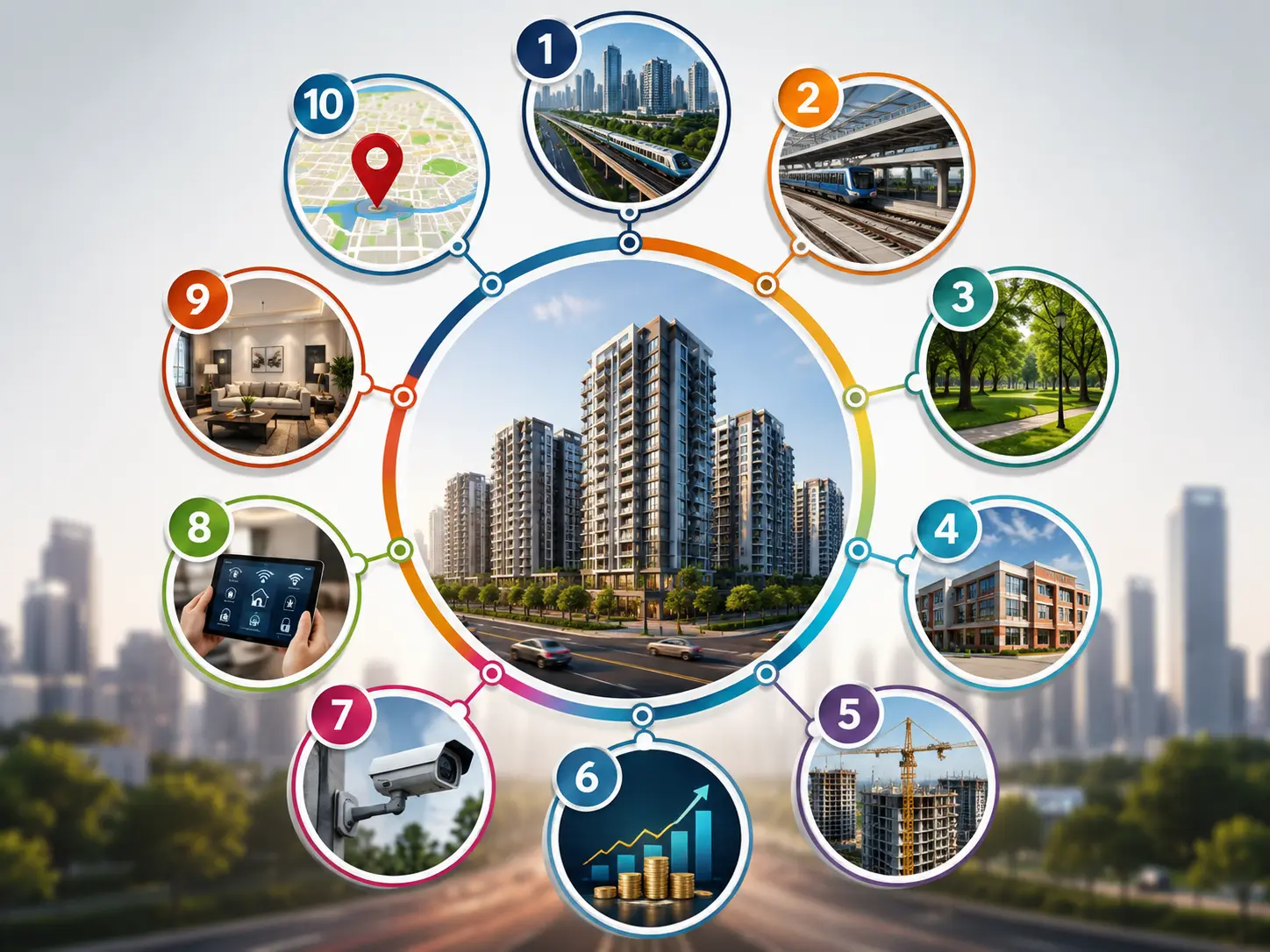
Top 10 Factors That Impact Property Value in Urban India
Introduction
India's urban real estate market continues to evolve rapidly, driven by infrastructure development, economic growth, and changing lifestyle preferences. Whether you are a homeowner, investor, developer, or first-time buyer, understanding the factors that influence property value can help you make informed decisions and maximize returns.
Property valuation is not determined by a single element. Instead, it is influenced by a combination of location, connectivity, market demand, infrastructure, and future growth potential. Here are the top 10 factors that significantly impact property values in urban India.
1. Location and Neighborhood
The golden rule of real estate remains unchanged: Location is everything.
Properties situated in prime areas with easy access to business districts, commercial hubs, schools, hospitals, and entertainment centers generally command higher prices. Well-developed neighborhoods with good social infrastructure tend to appreciate faster than emerging localities.
Key Considerations:
Proximity to city centers
Quality of surrounding development
Safety and security
Social infrastructure availability
2. Connectivity and Transportation
Excellent connectivity significantly enhances property value. Access to highways, metro stations, railway networks, airports, and public transportation reduces commuting time and improves quality of life.
Recent metro expansions in cities like Ahmedabad, Mumbai, Bengaluru, and Delhi have led to substantial appreciation in nearby residential and commercial properties.
Key Considerations:
Metro and public transit access
Highway connectivity
Airport proximity
Road infrastructure quality
3. Infrastructure Development
Government-led infrastructure projects often become major catalysts for property appreciation. New roads, flyovers, metro corridors, industrial corridors, and smart city initiatives can transform an area's investment potential.
Investors often target locations where infrastructure projects are planned or under construction to benefit from future appreciation.
Examples:
Smart City projects
Industrial corridors
Ring roads and expressways
Urban redevelopment projects
4. Supply and Demand Dynamics
Real estate prices are fundamentally influenced by market demand and available supply. Areas with limited inventory and strong buyer demand tend to experience faster appreciation.
Factors driving demand include employment opportunities, migration, urbanization, and population growth.
Indicators:
Occupancy rates
New project launches
Inventory levels
Rental demand
5. Quality of Construction
Properties built using superior materials and modern construction techniques generally retain value better over time. Buyers increasingly prioritize quality, durability, sustainability, and aesthetic appeal.
A well-constructed property also incurs lower maintenance costs, making it more attractive to future buyers.
Factors Considered:
Building materials
Structural quality
Architectural design
Maintenance standards
6. Amenities and Lifestyle Features
Modern urban buyers seek more than just a home. Lifestyle amenities significantly influence purchasing decisions and property valuations.
Premium amenities can increase both rental yields and resale value.
Popular Amenities Include:
Clubhouses
Swimming pools
Fitness centers
Children's play areas
Landscaped gardens
Smart home features
7. Reputation of the Developer
Properties developed by reputable builders often command higher prices due to trust, quality assurance, and timely project delivery.
Established developers generally provide better construction quality, legal compliance, and post-sales support, reducing investment risk.
What Buyers Evaluate:
Track record
Previous project quality
Delivery timelines
Brand reputation
8. Legal Compliance and Documentation
Clear legal titles and regulatory compliance significantly impact property value. Properties with unresolved legal issues, disputed ownership, or approval deficiencies often suffer valuation discounts.
The implementation of RERA has improved transparency and buyer confidence across India's real estate sector.
Important Documents:
Clear title deeds
RERA registration
Occupancy certificate
Approved building plans
9. Economic Growth and Employment Opportunities
Areas witnessing strong economic activity and job creation generally experience higher real estate demand. IT parks, industrial zones, business districts, and commercial centers attract working professionals, boosting housing demand.
Cities with expanding employment opportunities often enjoy sustained property appreciation.
Growth Drivers:
IT and technology hubs
Manufacturing clusters
Business districts
Startup ecosystems
10. Future Development Potential
Savvy investors often focus on future growth rather than current conditions. Areas identified for upcoming infrastructure projects, commercial developments, educational institutions, or industrial expansion can offer substantial appreciation potential.
Understanding local development plans can help investors identify emerging hotspots before prices peak.
Future Growth Indicators:
Proposed metro routes
New commercial zones
Industrial developments
Government master plans
Conclusion
Property value in urban India is shaped by a combination of location, infrastructure, connectivity, quality, demand, and future development prospects. While current market conditions play an important role, long-term appreciation often depends on the area's growth trajectory and infrastructure evolution.
For investors and homebuyers, conducting thorough research and evaluating these factors before making a purchase can lead to smarter decisions and stronger returns. As India's cities continue to expand and modernize, identifying high-potential locations early remains one of the most effective strategies for building long-term wealth through real estate.
Remember: Real estate is not just about buying property—it's about investing in the future growth of a location.